15% off on product page · save $3.88
Why Do Landlords Forbid Pets? Common Reasons Explained
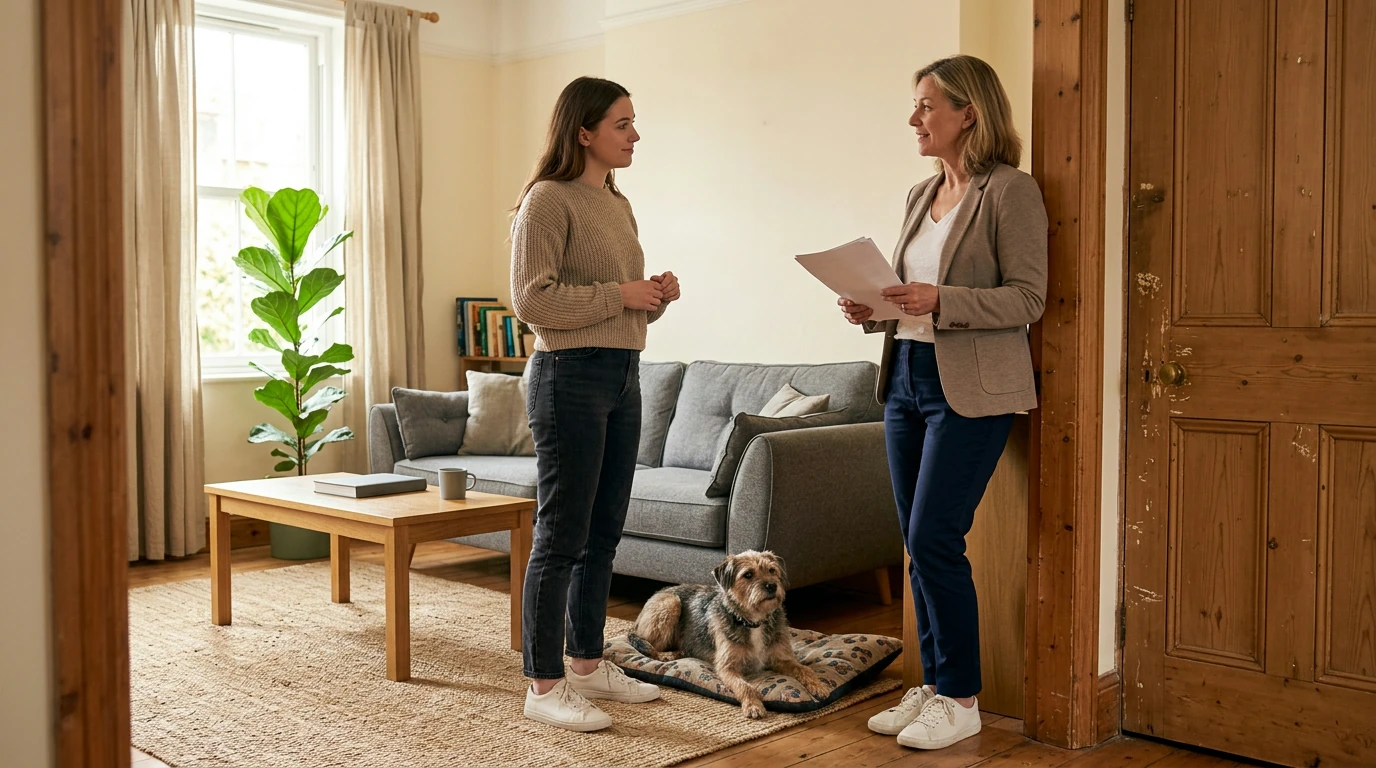
Landlords often forbid pets because they are concerned about damage to floors, doors, and fixtures, along with odors or cleaning needs that could remain after a tenant moves out. They may also want to avoid noise complaints, conflicts between neighbors, or the risk of an animal injuring someone on the property.

A blanket no-pets rule is simpler to administer than deciding which animals are acceptable one household at a time, even though a quiet, well-cared-for pet may cause no trouble. Building rules, insurance terms, or a property owner’s past experiences can also shape a policy, so you should ask what the lease actually permits rather than assume that a small animal is exempt.
Check the product’s listed specifications when evaluating why the rule can apply to every pet.
Featured in this guide
Quiet Pets for Apartment Living | Easy Guide to Quiet Pets for Apartments, Low-Noise Pet Choices, Apartment-Friendly Animals
Read the pet clause for limits on species, size, number of animals, and any required approval, then ask the landlord about unclear terms before you bring a pet home. If pets are considered individually, you can explain your care routine, how you will manage noise and cleaning, and whether you can provide a reference from a previous landlord.
Permission is only one part of the decision: you also need an animal whose space, activity, social, and veterinary-care needs you can meet in your apartment. Our Quiet Pets for Apartment Living guide can help you think through low-noise choices, but our team recommends confirming the rental rules before making a commitment.
Check the product’s listed specifications when evaluating choosing a pet with apartment life in mind.
A lease’s ordinary pet restriction is not necessarily the final word if you need an assistance animal related to a disability; the rules for such requests differ from rules for household pets. If that applies to you, communicate with the housing provider about the accommodation process and seek qualified local guidance if you are unsure of your rights or responsibilities.
Check the product’s listed specifications when evaluating when a no-pets policy needs a closer look.
Not all rentals prohibit pets, but those that do commonly cite potential damage, cleaning costs, noise, and liability. Some owners choose a uniform rule because it is easier to apply than evaluating each pet separately.
The 3-3-3 rule is a general way to describe how an adopted pet may adjust over roughly three days, three weeks, and three months in a new home. It is not a deadline or a rental rule: give your pet time, a consistent routine, and care suited to its individual needs.








Leave a comment