
35% off on product page · save $2.69
Is Print-on-Demand Profitable in 2026? Costs to Check
Yes, print-on-demand can still be profitable in 2026, but a sale is not the same as a profit: your selling price must cover production, shipping, platform fees, advertising, refunds, and taxes. The model lets you offer designs without buying a batch of inventory upfront, yet that convenience can leave little room for earnings if your costs are high or your designs compete only on price.
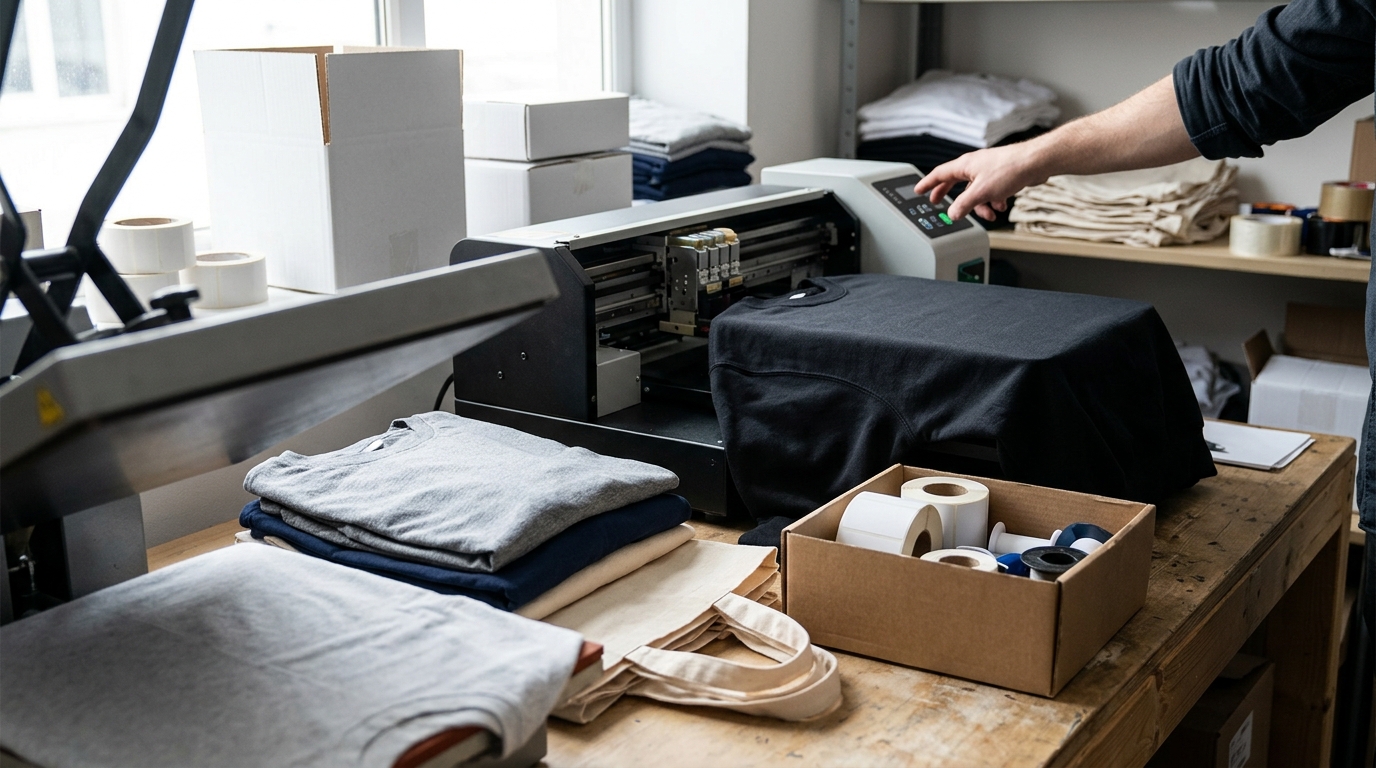
A focused audience gives you a better starting point than a broad catalog of generic slogans, because you can make design, product, and marketing choices around a recognizable interest or occasion. If your audience cares about personal style, for example, our Style Leopard Print with Complementary Colors Checklist illustrates a specific style topic you could use to think about audience interests, rather than a promise that any leopard-print item will sell.

Featured in this guide
Style Leopard Print with Complementary Colors Checklist | What Colors Go With Leopard Print | Digital Fashion Guide
Before publishing a design, calculate your expected profit per order using the actual product and shipping costs, marketplace or payment fees, and a realistic allowance for returns and customer support. Then test a small selection of designs and track both conversion and total acquisition cost; a product that sells regularly may still lose money if paid promotion costs more than the margin it creates.
Choose products your intended buyers would use, then consider how the print area, garment color, fabric, and available sizes affect whether the design looks right in everyday wear. For apparel, order a sample when practical so you can assess print placement, feel, fit, and how the item holds up when washed according to its care label; a mockup alone cannot answer those questions.
If your main advantage depends on the lowest possible unit cost, bulk production may offer better margins once demand is predictable and you can manage inventory. Print-on-demand may be a better fit when you want to test a niche, offer several designs in modest volumes, or avoid storing products, provided you price for sustainable profit rather than sales alone.
It can be worth it if you have a defined audience, designs they want, and enough margin after all selling costs. Start small and use real order data to decide whether to expand, adjust prices, or change products.
Yes, it remains possible to earn money, but results vary by product, pricing, marketing costs, and customer demand. Judge an idea by its net profit over time, not by revenue screenshots or the number of orders.








Leave a comment