15% off on product page · save $63.88
A More Considered Approach to Confident Cat Parenting
This product is a digital planning and educational bundle, not a shipment of physical cat accessories. Before purchasing, review the product page to confirm the included files, format, compatibility, and delivery details.
Each resource has a different role. Guides and eBooks provide background information, while checklists translate that knowledge into manageable shopping, home-setup, and care tasks. This combination can help first-time owners prepare for adoption, assist multi-cat households with resource planning, and give experienced owners a practical way to reassess established routines.
The materials should support—not replace—professional care. A veterinarian remains the right source for diagnosis, treatment, preventive care, and individualized nutrition advice. The Cornell Feline Health Center also offers reliable educational information about feline health and behavior.

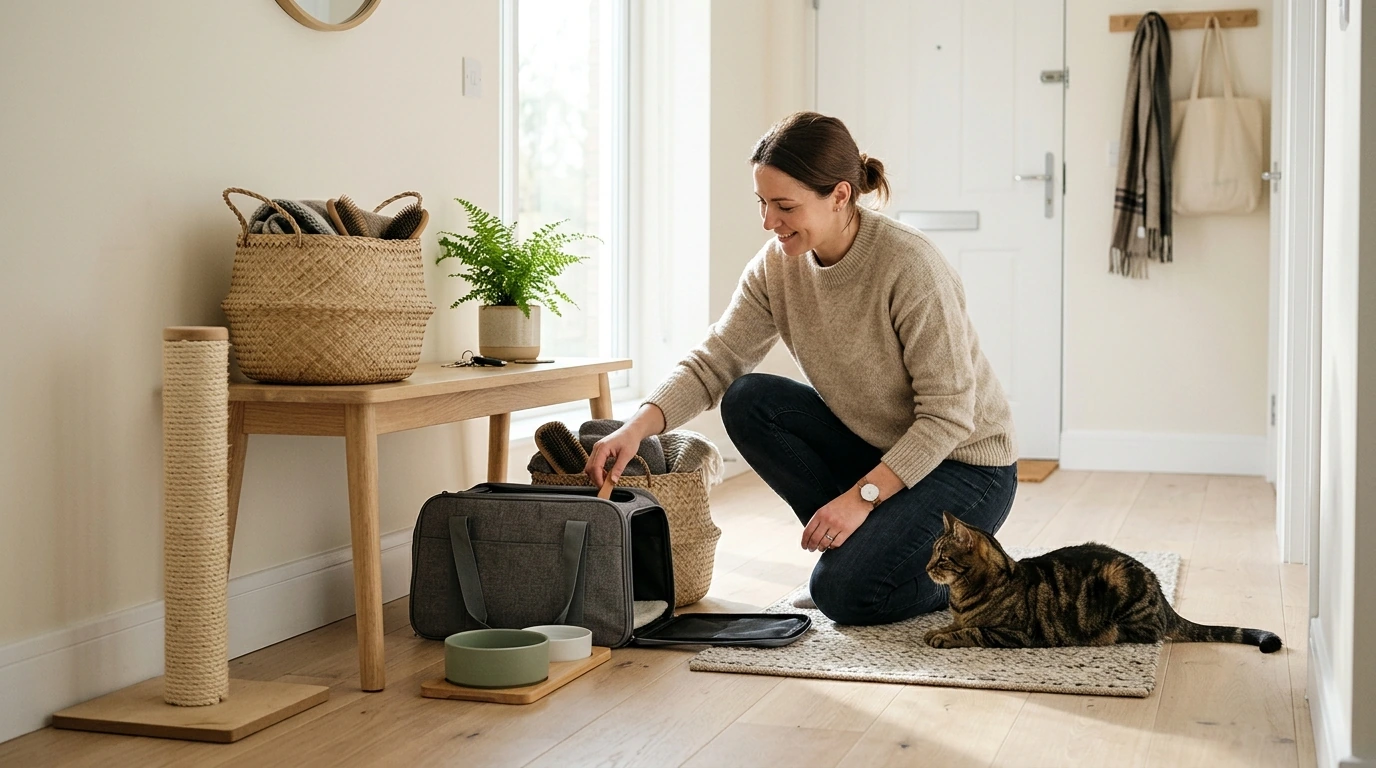
Begin with necessities that support safety and daily function. Priority items include species-appropriate food, fresh water, litter facilities, a secure carrier, identification, resting and hiding places, scratching surfaces, grooming tools, and safe toys. Decorative additions and convenience upgrades can follow later.
| Care area | Core supplies | Planning consideration |
|---|---|---|
| Food and hydration | Appropriate food, dishes, water bowls or fountain | Follow veterinary guidance and clean containers regularly |
| Litter and hygiene | Litter boxes, litter, scoop, and waste supplies | Choose quiet, accessible locations |
| Comfort and security | Beds, hiding places, carrier, and identification | Offer private retreats and comfortable social spaces |
| Natural behavior | Scratchers, climbing options, and safe toys | Match textures and activities to individual preferences |
| Routine care | Brush, nail tools, and dental-care products | Introduce handling gradually and use cat-safe products |
Placement deserves as much attention as purchasing. Keep food and water away from litter areas, create quiet sleeping locations, and distribute important resources throughout multi-cat homes to help limit competition.
Featured in this guide
A Balanced Cat Supplies Kit for Confident Cat Parenting: 3-in-1 Bundle of Guides, eBooks, and Checklists
A useful checklist reduces mental clutter without making care feel mechanical. Group tasks by the cadence at which they genuinely need attention:
Record meaningful changes in appetite, drinking, elimination, activity, grooming, and social behavior. Predictability can support a reassuring environment, but the routine should remain flexible as kittens mature, adults change activity levels, or senior cats need easier access to essential resources.
Enrichment supports exercise, mental engagement, confidence, and natural behaviors such as hunting, climbing, scratching, hiding, and observing. Rotating safe toys can preserve novelty while keeping the home from becoming unnecessarily cluttered.
Short interactive sessions with wand-style toys can imitate stalking and chasing. When appropriate for the cat’s feeding plan, a session may finish with a small reward or meal. For a more detailed activity framework, explore the guide to understanding how much play a cat needs.
Supervise play involving strings, ribbons, damaged toys, or small detachable pieces, and store those items securely afterward.
Signs of comfort may include relaxed posture, normal grooming, a steady appetite, restful sleep, curiosity, play, and friendly interaction appropriate to the individual cat. Purring alone is not definitive; consider it alongside body position, facial expression, activity, and surroundings.
Possible stress signals include persistent hiding, flattened ears, tense posture, excessive vocalization, inappropriate elimination, overgrooming, reduced appetite, or sudden aggression. Contact a veterinarian promptly when changes are sudden, severe, persistent, or accompanied by vomiting, breathing difficulty, pain, lethargy, or other physical symptoms.
Check the listed dimensions for observe the cat, not just the checklist against the available vehicle space before use.
“Nurturing my feline friend has become easier and stress-free. Happy Cat Mom Here!”
Before adoption, separate preparation into home safety, priority purchases, room setup, transportation, and veterinary arrangements. A quiet starter room with food, water, litter, a hiding place, a scratcher, and comfortable bedding can give a new cat a more contained environment in which to adjust.
The same planning framework can be revisited during moves, dietary transitions, the arrival of another pet, and age-related changes. Review the material, personalize the checklists, address priority supplies, establish predictable routines, and adjust according to behavior and veterinary advice.
The most useful plan is not the most elaborate one. It is the one that remains clear, adaptable, and attentive to the individual cat.
Educational materials can support preparation and observation, but they do not replace professional care. A veterinarian remains the appropriate source for diagnosis, treatment, preventive care, emergency guidance, and individualized nutrition advice.
If a cat’s behavior or physical condition changes unexpectedly, use the checklist to organize observations—not to make a diagnosis or delay veterinary attention.
Every owner should have appropriate food and water containers, litter boxes and litter, a secure carrier, identification, scratchers, safe toys, resting and hiding places, grooming tools, and access to veterinary care.
Common signs include relaxed body language, normal eating and grooming, curiosity, regular play, restful sleep, and comfortable social contact. Individual personalities differ, so look for stable patterns rather than one isolated behavior.
Essential supplies include suitable food, fresh water, litter facilities, a carrier, identification, comfortable resting areas, scratching surfaces, safe enrichment, and basic grooming items. Choose each product for the cat’s age, health, mobility, and habits.










Leave a comment