15% off on product page · save $63.88
Essential Cat Supplies: A Complete Checklist
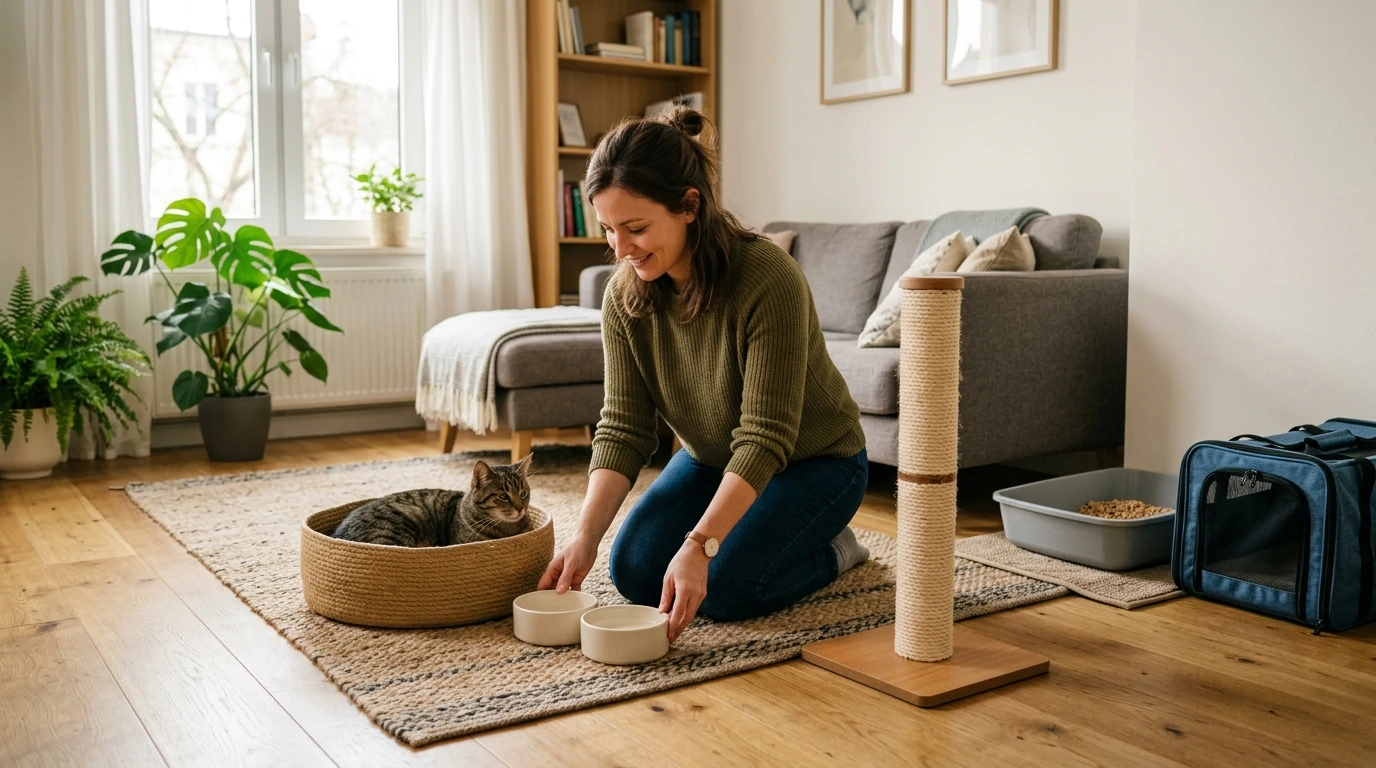
A well-prepared cat setup supports healthy eating, safe exploration, comfortable rest, and proper hygiene. Start with supplies suited to your cat’s age, size, health, and activity level, then adjust them as your cat’s needs change.
Check the listed dimensions for what supplies does a cat need? against the available vehicle space before use.

Choose complete and balanced cat food labeled for the appropriate life stage. Provide clean bowls made from stainless steel or ceramic, and place the water bowl away from food and litter. A cat fountain may encourage cats that prefer moving water to drink more often.
Featured in this guide
A Balanced Cat Supplies Kit for Confident Cat Parenting: 3-in-1 Bundle of Guides, eBooks, and Checklists
Provide one litter box per cat, plus one extra when possible. Select unscented litter, a sturdy scoop, and a box large enough for the cat to turn around comfortably. Scoop at least once daily and wash the box regularly with mild, fragrance-free soap.
Every cat needs a washable bed or quiet resting area, scratching surfaces, and safe toys. Offer both vertical and horizontal scratchers to identify your cat’s preference. Add a brush appropriate for the coat type, cat-specific nail clippers, and veterinarian-approved dental supplies.
“Nurturing my feline friend has become easier and stress-free. Happy Cat Mom Here!”
Use a secure, well-ventilated carrier that allows the cat to stand and turn around. Identification should include a breakaway collar with a current tag and a registered microchip. Remove toxic plants, secure windows, and store string, medications, cleaners, and small swallowable objects safely.
For a more detailed checklist, visit the complete guide to building a balanced cat supplies kit.
A cat needs balanced food, fresh water, bowls, a litter box, litter, a scoop, a carrier, a scratching post, safe toys, and a comfortable resting place. Identification, grooming tools, and routine veterinary care are also important.
Chronic kidney disease is often called a silent killer for cats because early signs can be subtle. Increased thirst, frequent urination, weight loss, vomiting, or reduced appetite require veterinary attention.
The 3-3-3 rule describes an approximate adjustment period: three days to decompress, three weeks to learn a routine, and three months to feel settled. Some cats adapt faster or need considerably longer.
A cat’s worst enemy is often an unsafe environment rather than one specific animal. Traffic, toxins, untreated illness, predators, and chronic stress can all seriously threaten a cat’s well-being.
The basic necessities for a cat are nutritious food, clean water, litter facilities, safe shelter, veterinary care, identification, scratching options, enrichment, and a secure place to rest. These essentials should match the cat’s life stage and medical needs.










Leave a comment