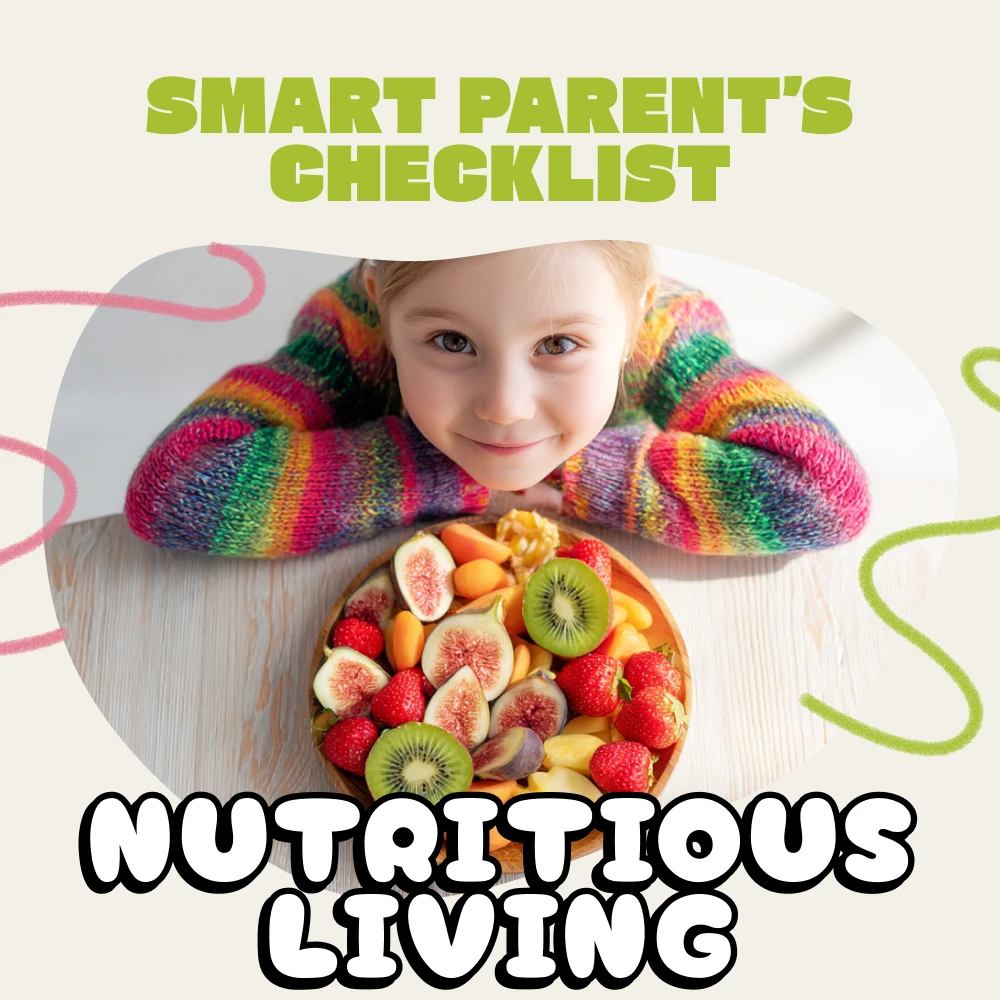
Printable digital guide for busy parents
A Smarter Rhythm for Healthy Family Eating
Parents make dozens of food-related decisions each day, from packing lunches to choosing an after-school snack. A checklist moves recurring decisions onto paper, reducing the need to reconsider them when time and energy are limited.
The goal is consistency rather than perfection. Keeping several nutritious options available is more sustainable than following rigid rules or cooking every meal from scratch. A printable guide can be displayed on the refrigerator, stored with grocery lists, or added to a household binder.
It should be treated as a flexible household tool, not individualized medical advice. Consult a qualified professional about allergies, health conditions, feeding difficulties, or age-specific dietary needs.

Choose ingredients that can move gracefully between meals. Oats can become breakfast or baking ingredients; beans can support soups, bowls and quick dinners; frozen vegetables can complete a meal without extra preparation.
A practical foundation can include vegetables, fruits, whole grains, protein foods, dairy or fortified alternatives and flavorful fats. Fresh choices can sit alongside frozen, canned, dried and shelf-stable foods.
When comparing packaged foods, review serving size, added sugars, sodium, saturated fat, protein, fiber and any ingredients connected to household allergies.
Check the listed dimensions for build a kitchen that works in layers against the available vehicle space before use.
Featured in this guide
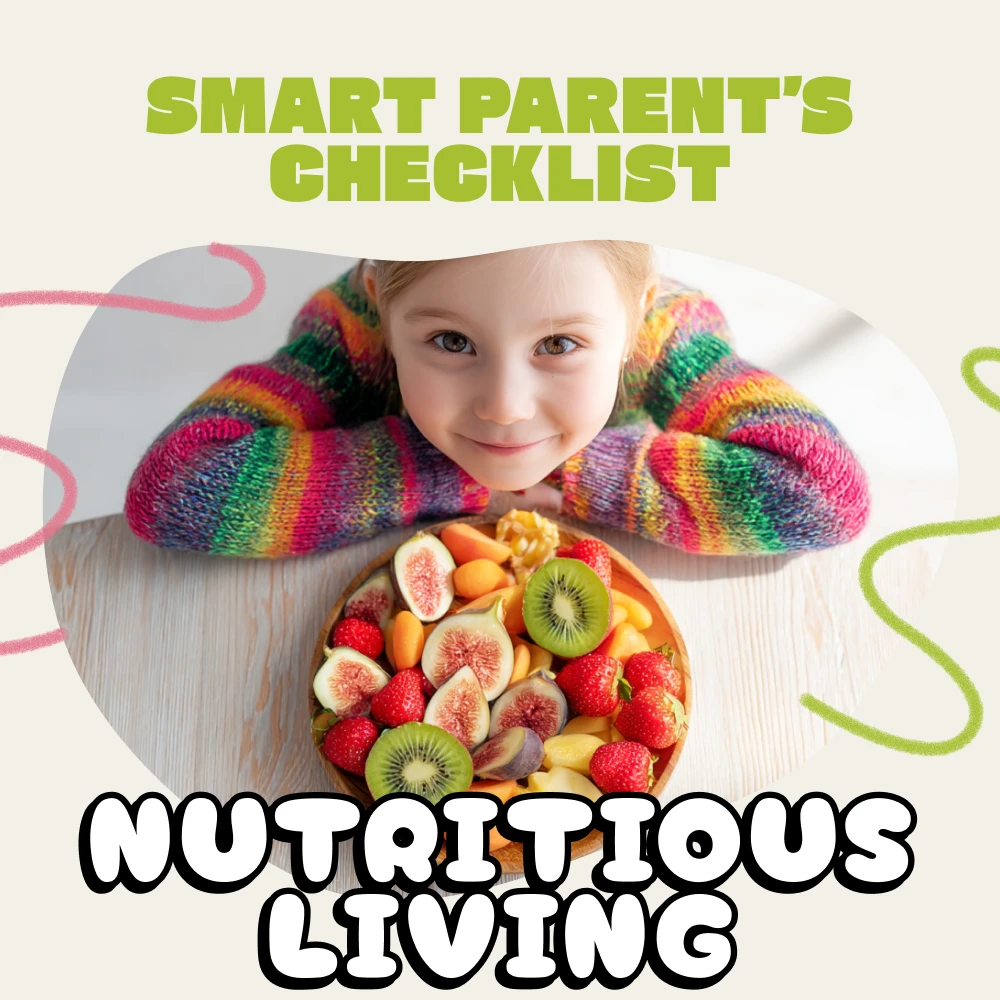
The Smart Parent’s Checklist for Nutritious Living | Printable Healthy Eating Guide for Families | Digital Download for Busy Parents | How to Have Healthy Food in Home Every Day
A few adaptable meal ideas can provide structure without making the week feel rigid. Grain bowls, soup and sandwiches, vegetable pasta and build-your-own tacos can accommodate changing schedules and ingredients already at home.
After shopping, prepare selectively. Wash fruit, cut suitable vegetables or portion snacks, then place convenient choices at eye level. A designated serving piece, such as the Heart-Shaped Ceramic Bowl for Fruit, Pasta, Salad, and Desserts, can give visible produce a consistent place in the kitchen.
Keep ingredients for two or three uncomplicated emergency meals. Beans with rice and vegetables, eggs with whole-grain toast, or pasta with vegetables and protein can reduce last-minute decision pressure.
For snacks, pair familiar food groups: fruit with yogurt, vegetables with hummus, or whole-grain crackers with cheese. Portions and textures should suit the child’s age and developmental needs.
Use leftovers with intention. Extra grains, vegetables or protein can become lunch bowls, wraps, soups or omelets. Convenience foods may also have a place when they suit the household’s nutritional needs, budget, available time and preferences.
Participation can be simple and specific. A child might select a fruit, wash vegetables, stir ingredients, check an item off the list or set the table.
Limited choices, such as carrots or cucumber, offer involvement without creating an overwhelming decision. Neutral, repeated exposure can help foods become familiar without pressure to clean the plate.
Adults can model the desired habits through shared meals, predictable routines and visible enjoyment of varied foods. Avoid using nourishing foods as punishment or dessert as a reward.
A useful system should accommodate the family’s schedule, culture, budget and dietary requirements. Print a working copy, personalize the priorities and place it where decisions naturally happen.
Progress is easier to sustain when restarting is simple.
A missed shopping trip or convenience meal does not erase the routine. Return at the next snack, meal or weekly kitchen check: review, restock, prepare, display and repeat.
Common signs include persistent exhaustion, irritability, emotional detachment, overwhelm, sleep disruption, and difficulty handling normal responsibilities. Ongoing or severe symptoms warrant practical support and consultation with a healthcare or mental health professional.
Acknowledge the child’s feelings, maintain predictable routines, and offer age-appropriate ways to stay connected, such as calls, photos, letters, or a familiar keepsake. Seek professional guidance if distress is intense, prolonged, or interferes with daily life.
Public health agencies, libraries, universities, and nonprofit organizations often provide legally downloadable nutrition handbooks and educational PDFs. Confirm that the source owns the material or has permission to distribute it before downloading.










Leave a comment